
From delivering on the Government’s ‘Levelling Up’ agenda to meeting the huge demand for residential property, property developers in the UK have an important role to play in the coming years.
For those who get it right, property development can be a lucrative undertaking with excellent profit margins. But there are challenges to be aware of – and with rising costs placing pressure on the industry, staying informed has never been so important.
The challenge for property developers today
As in so many industries, inflation and rising costs are ever-present concerns. The construction materials price index is at its highest since records began, while labour shortages and supply chain delays are causing pain for developers large and small.
It’s an issue the entire industry is grappling with – although, in more positive news, high demand for the finished product is still enabling many of our clients to achieve a good profit. After all, despite the problems being experienced across the industry, there’s never been so much need for high-quality housing stock.
However, it does make it doubly important that developers mitigate costs where they can by securing the best possible finance terms. To do this, you’ll need to be exceptionally well-prepared: the potential threat to margins caused by rising costs is leading development finance lenders to interrogate potential projects even more rigorously than usual.
Using a broker to present your case is absolutely critical in such circumstances, as an incorrectly packaged application could lead to failure. An experienced broker can also help to ensure you achieve the best terms in a complicated market.
Fortunately, there have never been so many options in terms of financing a project. As well as traditional development finance lenders, there are also some fantastic alternative lenders working in this space who can provide the necessary funding with excellent terms.
What sort of property development is popular at the moment?
Our international client base ranges from individuals completing one-off projects to full-time developers with multiple schemes underway at any moment. Accordingly, the nature of the development finance queries we receive is incredibly varied – but there are some standout trends from the last year.
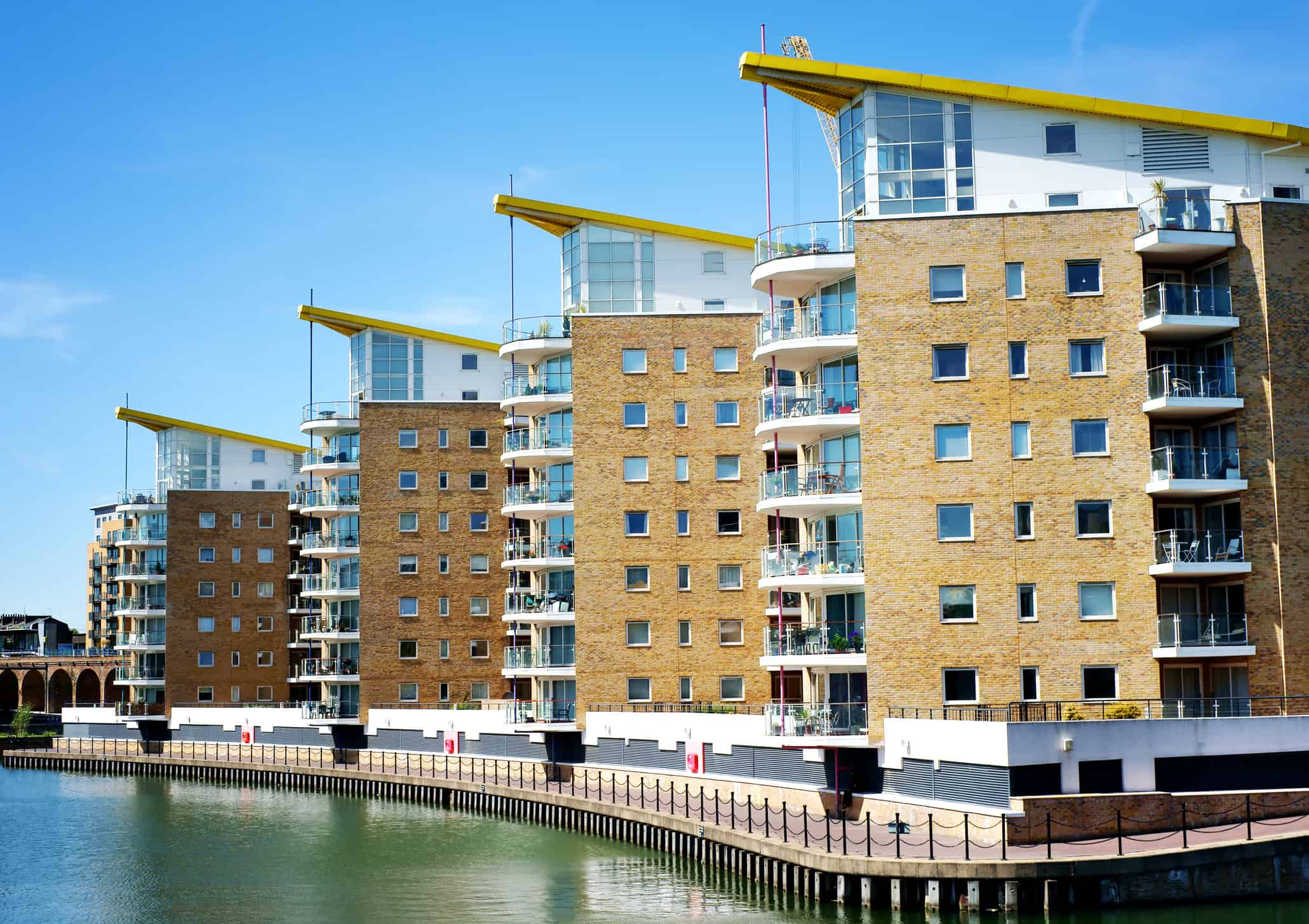
Demand for newbuild property is incredibly high in areas around the UK, and we’ve helped many clients recently with smaller-scale schemes (for example, turning an older property with extensive land into four distinct properties). Smaller-scale housebuilders are particularly well placed to respond to high levels of local demand, delivering quality builds and achieving excellent profit margins.
Elsewhere, funding for student accommodation blocks is a very popular request, particularly for international developers. Regional opportunities across the North of England are also in high demand.
Whatever the nature of the project or client, our access to the widest possible range of traditional and alternative development finance lenders means we’re able to arrange excellent outcomes for our clients. Our contacts across the industry also enable us to advise those looking for potential development schemes on off-market opportunities; contact a broker if you’d like to learn more about this.
What sort of development finance is available in today’s market?
Arranging development finance is a time-intensive process involving many meetings and a great deal of paperwork. The development finance lender landscape changes day-by-day and is far from transparent, which means securing the most cost-effective outcome isn’t as simple as searching for the best deals online.
So, whether you’re a British national looking to enter the world of property development, or an experienced international developer seeking funding for your next project, the Articus team can help you find the right solution. Our brokers have experience arranging a variety of different finance types that may be of use to you across every stage of the property development process, including but not limited to:
First charge / senior debt: if you’re looking to begin a new project, first charge loans are typically available for up to 65% of the gross development value (GDV), although this varies depending on your situation and the lender in question.
Stretched senior debt: if you need additional funding beyond your senior debt – which can often be the case if you have more than one project running at the same time – we can help with stretched senior debt, usually up to around 75% of the GDV. This is typically only available to experienced developers.
Mezzanine finance: a useful tool for many developers, mezzanine finance is a form of second charge finance that is typically used to fill the gap between senior debt and the amount you, the developer, have to invest in the project. Although not the cheapest solution, we have an excellent track record of negotiating strong rates for our clients.
Development exit finance: if you’re approaching completion of a project or are coming to the end of your finance term, but are not yet ready to sell your development, an exit loan may be necessary. It may even be the case that you wish to refinance to secure more favourable terms. Whatever the case, we can use our lender relationships to arrange a suitable outcome.
In terms of who can access development finance, we’re able to support both domestic and international developers with a range of projects. Applications can be more complicated for international developers, but this is something we’re well-versed in handling.
Looking for more guidance?
There’s no denying that rising costs and industry-wide delays are creating pressure for developers. However, the industry’s resilience over the last few years has proven it can weather most storms – and demand for quality property is sky-high. With the right support in place, it’s still more than possible to realise strong profit margins from property development.
Getting the right finance for your project is a critical first step on the road to success – speak with an Articus broker today to discuss the possibilities.